AI Tools for Writing Research Papers: Enhancing Productivity and Accuracy
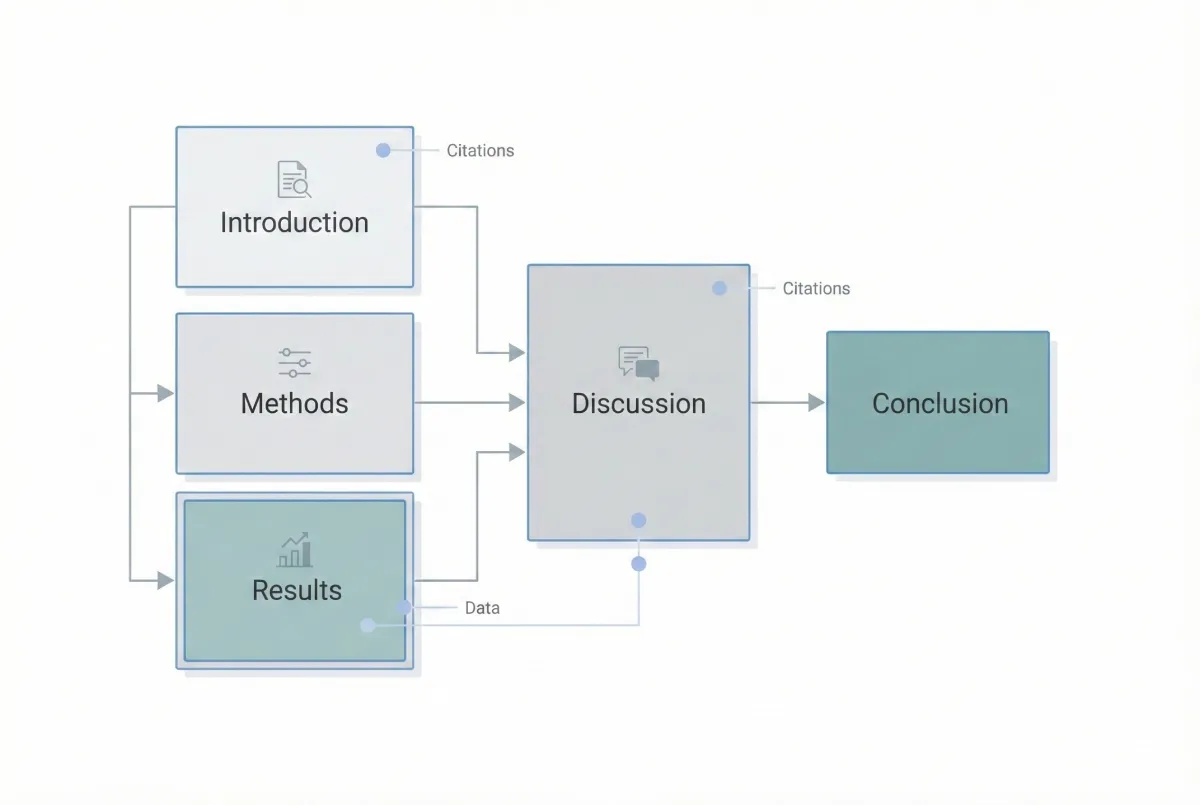
Writing a research paper is one of the most intellectually demanding tasks in academia. Beyond collecting data and conducting experiments, researchers must structure complex arguments, integrate literature findings, manage citations, and ensure clarity and precision throughout the manuscript. This process is time-consuming and prone to errors—from inconsistent terminology to citation mistakes. Fortunately, AI tools for writing research papers are transforming the way scientists and academics work, enabling them to produce high-quality manuscripts more efficiently.
Modern AI writing tools have evolved far beyond basic grammar checkers. They now understand scientific context, suggest structural improvements, and help integrate literature insights seamlessly into your paper. For researchers juggling multiple projects and tight deadlines, these platforms have become essential productivity enhancers.
Why Writing Research Papers is Challenging
Scientific writing involves far more than putting words on a page. Researchers must present their methodology clearly, synthesize findings from multiple studies, and discuss results in the context of existing literature. All while maintaining a coherent narrative that meets strict journal requirements.
Common challenges include:
- Complex Terminology: Ensuring precise and consistent use of scientific language.
- Citation Management: Tracking dozens or hundreds of references while maintaining proper formatting.
- Integration of Literature: Incorporating relevant studies seamlessly into the narrative.
- Clarity and Readability: Translating technical findings into concise, understandable prose.
This is where research paper AI tools become invaluable, providing intelligent support across every stage of the writing process.
How AI Tools Assist in Writing Research Papers
Modern AI tools for scientific research offer multilayered assistance that enhances both quality and efficiency.
Grammar and Style Correction
AI tools understand academic writing conventions, flagging grammatical and stylistic issues, suggesting precise terminology, identifying overused passive voice, and recommending sentence improvements for better readability.
Structuring Arguments
An AI tool to review research papers can analyze manuscript structure, highlight weak transitions, redundant sections, or unsupported arguments, and suggest reorganization strategies for a more logical flow.
Automated Citation Management
AI platforms automatically extract references, format them according to journal requirements, and suggest additional citations relevant to your content, saving hours of manual work.
Integrating Literature Insights
AI-powered research tools help incorporate findings from literature reviews directly into your paper, ensuring it is grounded in current scientific research.
Novix: The Researcher’s Writing Companion
Novix is a comprehensive research paper AI tool supporting the entire writing process. Unlike tools focusing solely on grammar or citation management, Novix integrates literature discovery, analysis, and writing assistance in one platform.
- Seamless Literature Integration: Connects with DeepSurvey outputs to incorporate insights directly into your manuscript.
- Collaborative Writing: Multiple authors can contribute while maintaining stylistic consistency.
Citation Management: Automates reference formatting, flags missing citations, and suggests relevant additional references.
Key Benefits of Using AI for Research Paper Writing
- Faster Writing and Editing: Formatting references and checking terminology now takes minutes instead of hours.
- Reduced Errors: AI tools catch grammatical mistakes, citation inconsistencies, and formatting issues.
- Improved Clarity and Readability: Simplifies complex sentences and ensures arguments are easy to follow.
- Consistency Across Manuscripts: Terminology, style, and formatting remain uniform.
Collaborative Efficiency: Harmonizes contributions across multi-author teams.
Practical Tips for Using AI Writing Tools
- Use AI as a collaborative partner, not a replacement for your scientific voice.
- Draft sections first, then have AI review for clarity, consistency, and structure.
- Cross-check AI-suggested citations for accuracy.
- Leverage AI for macro-level feedback like argument flow and section reorganization.
Use AI iteratively during drafting to catch issues early and maintain coherence.
The Future of AI in Research Writing
AI tools will continue evolving:
- Suggesting optimal ways to present results based on data and literature context.
- Identifying methodological weaknesses needing more support.
- Facilitating real-time collaboration among multiple authors.
- Integrating with journal submission systems for formatting and compliance.
AI enhances productivity, allowing researchers to focus on innovation and scientific discovery rather than mechanical writing tasks.
Conclusion
The emergence of AI tools for writing research papers represents a major shift in academic workflows. By automating tedious tasks, reducing errors, and improving clarity, these tools allow researchers to focus on advancing knowledge and communicating discoveries effectively.
Novix AI exemplifies the power of AI-powered research tools, supporting researchers from literature review to manuscript preparation. Whether drafting your first paper or managing multi-author publications, AI writing assistance enhances efficiency and manuscript quality.
Elevate Your Research Writing
Explore Novix today to experience intelligent writing assistance that transforms how you create and review research papers.
Frequently Asked Questions
Q1: What are AI tools for writing research papers?
Software platforms that assist with grammar, style, structure, citation management, and literature integration to improve manuscript quality and efficiency.
Q2: How can AI improve the quality of a research paper?
AI enhances clarity, maintains terminology consistency, detects errors, suggests additional references, and provides structural feedback.
Q3: Can Novix AI assist in reviewing scientific papers?
Yes, it analyzes structure, clarity, and citations, integrates literature findings, and supports collaborative reviews.
Q4: Are AI writing tools reliable for academic research?
Yes, when used as assistants. Researchers should verify citations and maintain their scientific voice. AI significantly reduces errors and improves consistency.