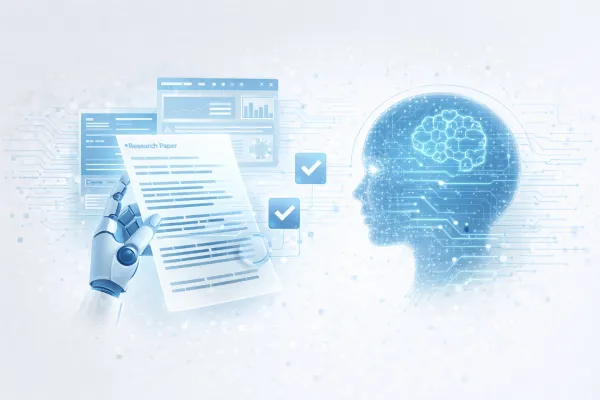
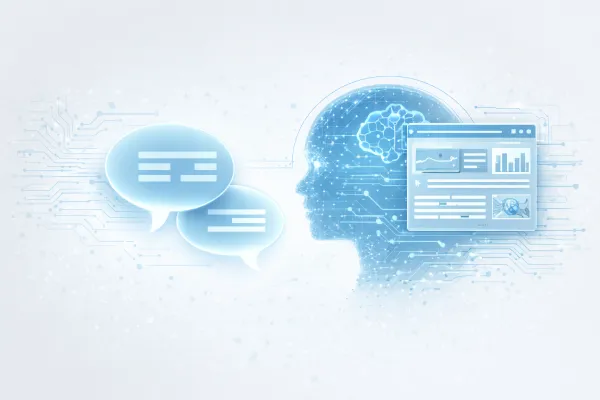
AI-Powered Research Assistants Tool: Revolutionizing Collaborative Scientific Research
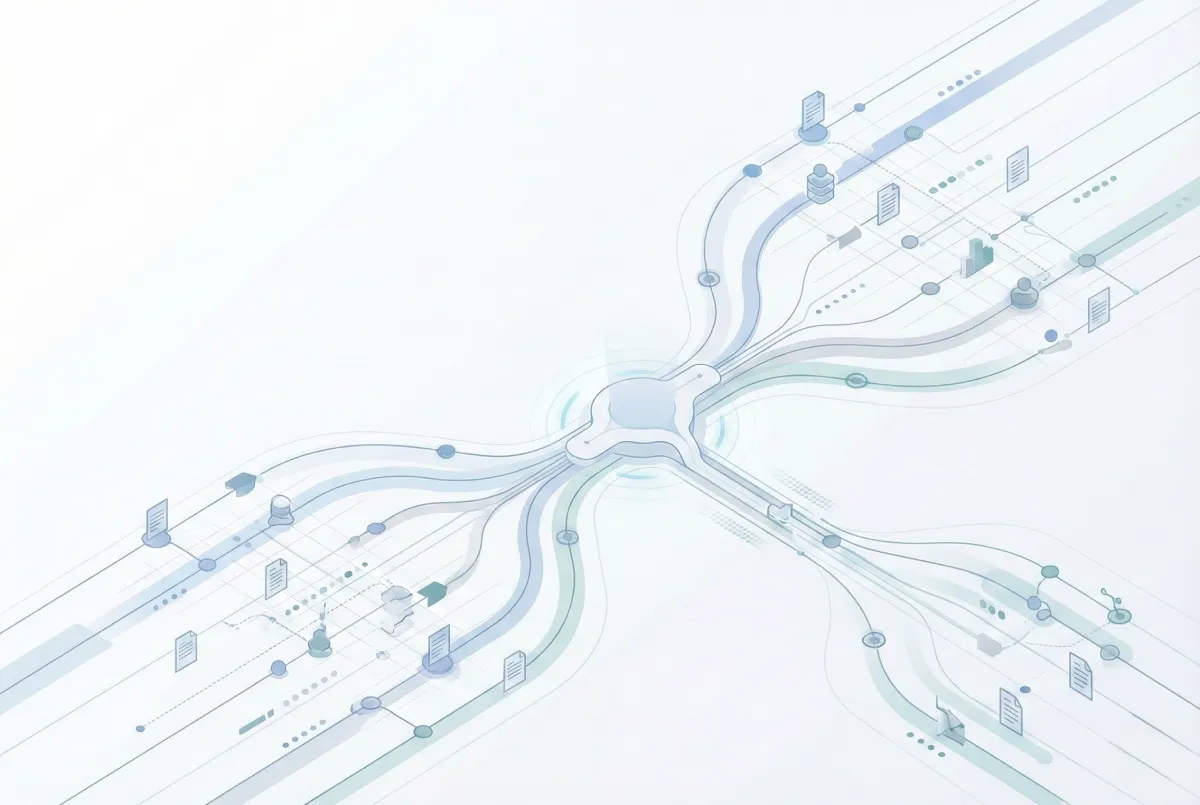
Modern scientific research increasingly depends on collaboration. Multi-author papers, interdisciplinary teams, and cross-institutional projects have become the norm. Yet coordinating multiple researchers, managing shared literature databases, and maintaining version control present significant challenges. Communication delays, redundant efforts, and inconsistent methodologies slow progress and compromise quality. AI-powered research assistants are transforming these challenges into opportunities, offering intelligent automation and real-time collaboration support that fundamentally changes how research teams work together.
Challenges in Collaborative Research
Research teams face distinct obstacles that solo researchers rarely encounter:
Coordination complexity increases exponentially with team size. Scheduling meetings across time zones, tracking individual contributions, and ensuring everyone stays informed requires substantial administrative effort that detracts from research work.
Redundant efforts waste time when team members unknowingly duplicate literature searches or repeat data analyses. Without centralized systems, researchers often work in silos, unaware of what colleagues have already accomplished.
Communication delays create bottlenecks. Asynchronous communication across institutions extends project timelines unnecessarily.
Inconsistent data management makes it difficult to integrate contributions when different members use varying organizational systems, naming conventions, or analytical approaches.
Quality control challenges emerge when multiple authors contribute with different writing styles, citation practices, and attention to detail. Studies show that collaborative projects typically require 40% more revision cycles than single-author work due to coordination issues.
How AI-Powered Research Assistants Help
AI-powered research assistants address these collaborative challenges through intelligent automation designed specifically for team science.
Intelligent Workflow Automation
AI research assistant platforms automate routine coordination that typically consumes hours weekly. These systems schedule meetings by analyzing team calendars, assign tasks based on expertise and availability, track milestones automatically, and generate progress reports. Teams report saving 8-12 hours per week on administrative tasks.
Centralized Knowledge Management
Collaborative research tools create shared knowledge repositories where AI automatically identifies relevant papers for all members, prevents duplicate literature searches, and maintains organized citation libraries. This approach, similar to capabilities in AI tools for literature review, ensures comprehensive coverage while eliminating redundancy.
Real-Time Collaboration
Modern AI for team research platforms enable synchronous collaboration where multiple researchers work simultaneously. AI assistants track changes, suggest relevant content from team discussions, identify potential conflicts, and maintain version control—all in real-time.
Context-Aware Intelligence
Advanced AI learns from team interactions, providing personalized recommendations based on each member's role, proactive alerts about relevant developments, and intelligent connections between individual contributions and project objectives.
Key Benefits of AI-Powered Research Assistants
Dramatic Time Savings: Teams using research workflow automation report 30-50% reductions in administrative overhead and 40% faster project completion times. One research group at Stanford reported completing their collaborative meta-analysis in 6 weeks instead of the typical 4 months.
Enhanced Accuracy and Consistency: AI maintains uniform standards across all contributions—terminology remains consistent, citation formatting follows the same style, and analytical methods align with protocols. This consistency reduces revision cycles by up to 60%.
Seamless Research Integration: AI-powered research assistants connect literature review, data analysis, and manuscript preparation into unified workflows, as demonstrated by comprehensive AI-powered research tools. Teams transition smoothly between research phases without information loss.
Improved Multi-Author Workflows: The platforms track individual contributions for proper attribution, merge writing while maintaining consistency, and manage review cycles across contributors—addressing challenges discussed in our guide on AI tools for writing research papers.
Complete Project Transparency: AI assistants maintain comprehensive records of team activities, creating accountability and providing audit trails for research integrity.
Novix AI: Empowering Collaborative Research Teams
Novix AI exemplifies how AI research assistant platforms transform team science with features designed specifically for research collaboration.
Unified Team Dashboard: Novix provides centralized visibility where teams visualize project status, track progress, and identify bottlenecks. Lab managers report 70% improvement in project oversight efficiency.
Collaborative Literature Management: Team members collectively annotate papers and share insights. Novix's AI learns from these interactions, providing increasingly relevant recommendations that reflect the team's evolving focus.
Integrated Analysis and Writing: Novix AI connects literature findings with data analysis and manuscript preparation, ensuring methodological alignment throughout. Teams can seamlessly move from conducting literature reviews to analyzing data to writing collaboratively.
AI-Driven Team Insights: The platform analyzes team discussions and shared resources to generate insights informing collaborative decisions. These insights help identify consensus views, recognize areas requiring discussion, and surface unexpected connections.
Smart Review Coordination: Novix integrates with manuscript review workflows (learn more about AI tools to review research papers), helping teams coordinate peer review responses and revision cycles efficiently.
The Future of Collaborative AI Research
AI-assisted hypothesis generation will emerge as platforms analyze team data and literature collectively, suggesting novel hypotheses that synthesize multiple team members' expertise.
Predictive project management will help teams anticipate challenges, forecast bottlenecks, and optimize resource allocation based on project characteristics.
Cross-institution platforms will facilitate partnerships across universities and countries, managing distributed team complexities while maintaining seamless coordination.
Proactive research alerts will monitor the scientific landscape, notifying teams when relevant papers are published or complementary research groups publish findings that should inform ongoing work.
Conclusion
AI-powered research assistants represent a fundamental transformation in collaborative research. By automating coordination, centralizing knowledge management, and learning from team interactions, these platforms eliminate traditional bottlenecks. Research teams can focus on scientific discovery rather than administrative logistics.
Novix AI demonstrates the power of comprehensive collaborative research tools designed for team science. Whether leading a small lab or coordinating a multi-institutional consortium, AI-powered assistance transforms collaborative research.